Bakery Boxes: The Complete Guide to Packaging Your Baked Goods Right
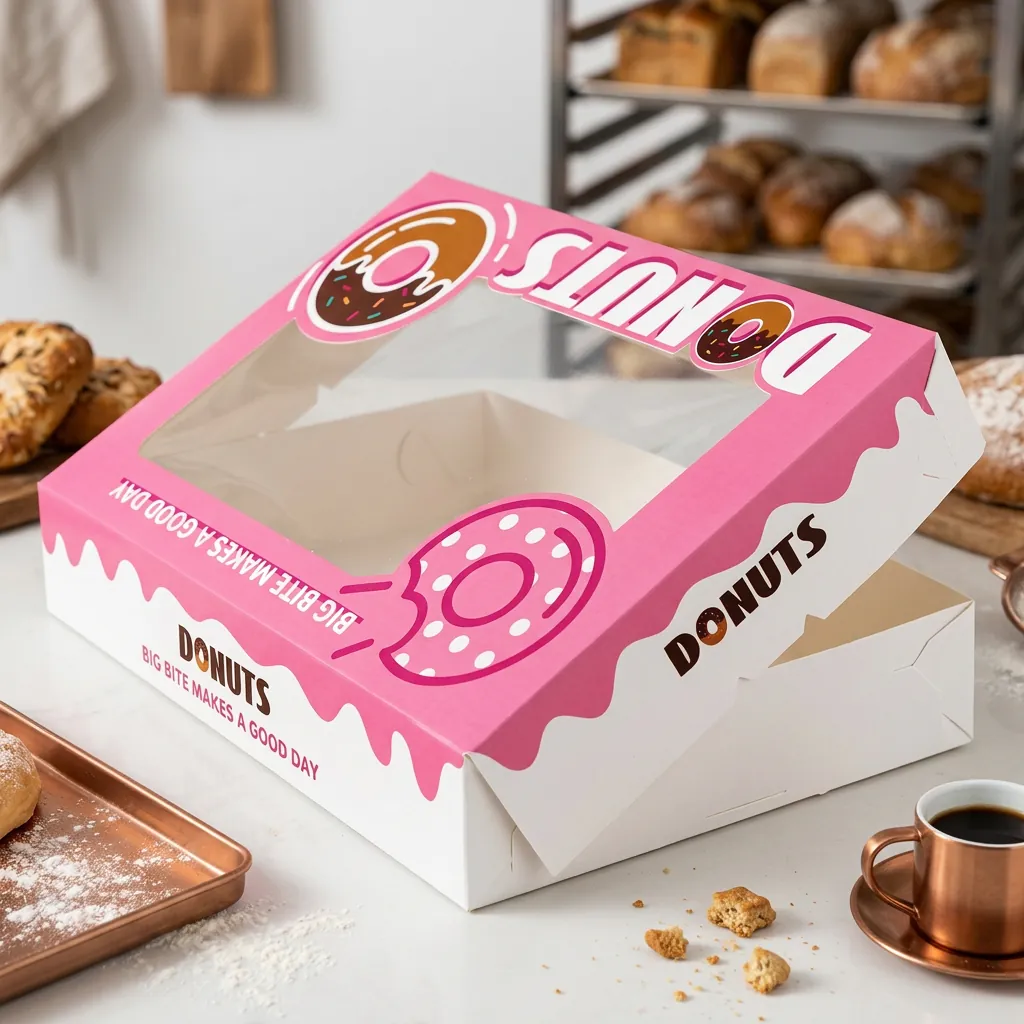
Learn how custom bakery boxes can protect your baked goods, elevate your brand, and boost sales. From cake boxes to pastry packaging, discover the materials, designs, and trends shaping the bakery packaging industry in 2026.
In This Article
Your baked goods are more than just food. They are moments of joy, celebration, and indulgence. But before a single bite is taken, your customer sees the box. That box sets expectations, communicates quality, and represents your brand. In the bakery industry, packaging is not optional. It is essential.
The global packaged bakery products market is forecasted to grow by USD 134.5 billion during 2023-2028, accelerating at a CAGR of 5.7%. With 63% of consumers eating bakery items every week and 72% buying indulgent baked goods alongside their regular groceries, the competition is fierce. Your packaging is often the first thing that differentiates you from the bakery down the street.
Why Bakery Boxes Matter for Your Business
Bakery products are fragile, perishable, and often visually stunning. They need packaging that does three things simultaneously: protects the product during transport, maintains freshness, and showcases the artistry inside.
Consider a beautifully decorated cake. If it arrives at a birthday party with smeared frosting or a collapsed structure, the baker's reputation suffers. The same applies to cookies that crumble, pastries that go stale, or bread that loses its shape. Proper bakery boxes prevent these scenarios.
But protection is only part of the equation. In today's social media-driven world, packaging is a marketing tool. When a customer photographs their beautifully packaged cupcakes for Instagram, that is free advertising for your brand. When a gift box of cookies arrives looking elegant, the recipient remembers who sent it.
The Pain Points Every Bakery Owner Knows
Products Arriving Damaged Delicate decorations, layered cakes, and filled pastries require structural support. Generic boxes collapse under weight or allow products to shift during transport.
Stale or Spoiled Goods Without proper ventilation and material barriers, baked goods lose freshness quickly. Moisture buildup can make crispy items soggy, while dry air can make soft bread stale.
Food Safety Concerns Bakery packaging must be food-safe. Materials that contain harmful chemicals or are not certified for food contact can contaminate your products and create liability issues.
Inconsistent Packaging Quality When you order boxes from different suppliers or batches, sizes and quality vary. This inconsistency looks unprofessional and creates operational headaches.
Seasonal Demand Fluctuations Bakeries experience peak seasons around holidays, weddings, and special events. Having packaging ready when demand spikes is critical.
Types of Bakery Boxes and When to Use Them
Cake Boxes
The most essential bakery packaging. Cake boxes are typically square or rectangular with enough height to accommodate layered cakes. They come in various sizes to fit 6-inch, 8-inch, 10-inch, or larger cakes. The best cake boxes feature:
- Sturdy construction that supports multi-layer cakes
- Clear window display options to showcase decorations
- Easy assembly for high-volume production
- White, kraft, or pastel finishes for different aesthetics
Cupcake Boxes
Designed with internal inserts or grids that hold individual cupcakes in place. Available in 4-pack, 6-pack, 12-pack, or 24-pack configurations. The inserts prevent cupcakes from touching each other, protecting frosting and decorations.
Pastry and Cookie Boxes
Lightweight folding structures perfect for daily baking operations. These boxes typically feature a flip-top or tuck-end design for easy access. Window options allow customers to see the products inside.
Window Bakery Boxes
Combining protection with visibility, window boxes feature a clear PET film panel that lets customers view the baked goods without opening the box. This style is particularly effective for impulse purchases and gift items.
Kraft Bakery Boxes
Made from natural or bleached kraft paper, these boxes appeal to environmentally conscious consumers. The rustic, organic look of kraft packaging communicates freshness and sustainability.
Materials That Keep Baked Goods Fresh
Food-Safe Cardboard The most common material for bakery boxes. Typically 250-350gsm white cardboard or gray-bottomed white board. Provides good structural integrity while remaining lightweight.
Kraft Paper Natural, unbleached kraft paper offers an eco-friendly appearance. It is fully recyclable and biodegradable, making it popular among artisanal and organic bakeries.
Grease-Resistant Coatings For items like donuts, croissants, or anything with butter content, grease-resistant coatings prevent oil from seeping through the box and creating unsightly stains.
Clear PET Windows Transparent windows made from food-safe PET film allow product visibility while maintaining the box's structural integrity.
Customization That Builds Your Brand
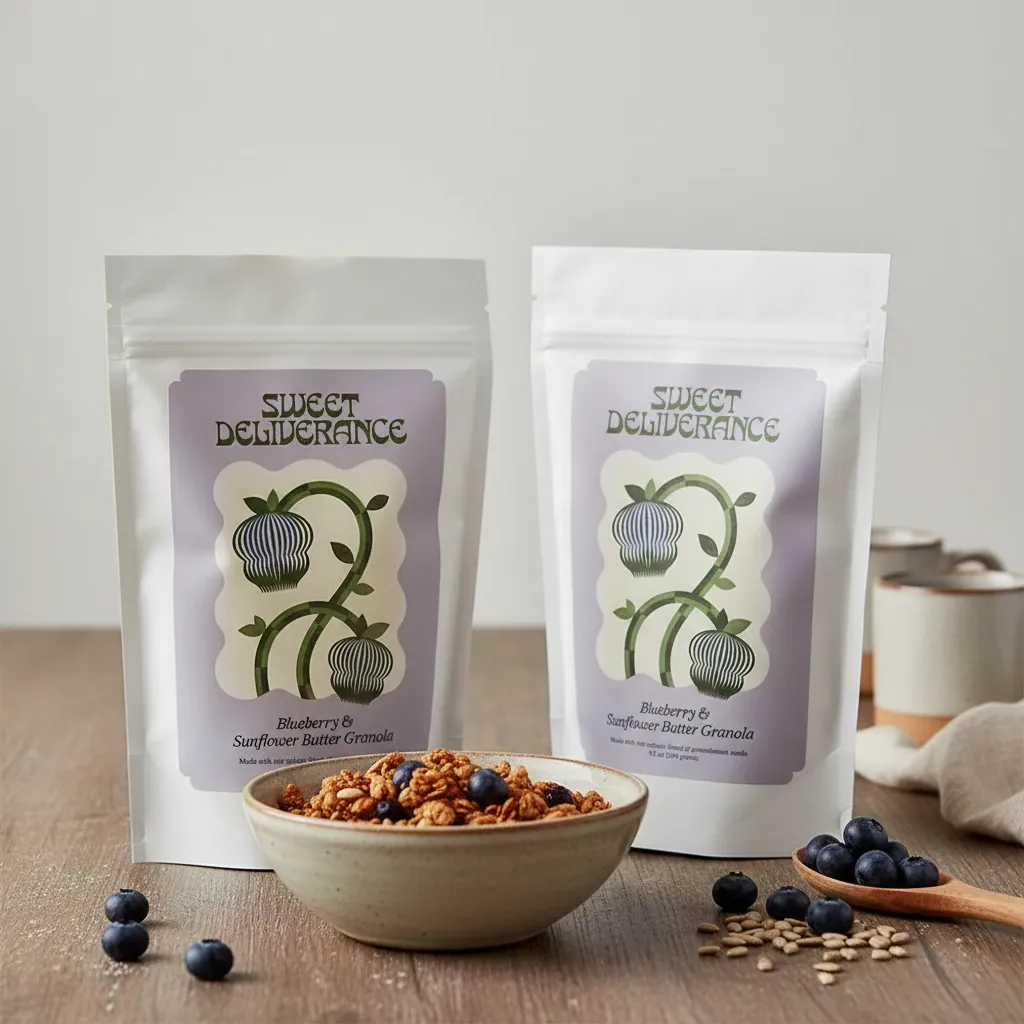
Generic white boxes are functional but forgettable. Custom-printed bakery boxes transform every sale into a branding opportunity:
- Full-color printing: with your logo, brand colors, and messaging
- Custom sizes: tailored to your specific products
- Window shapes: that match your brand theme
- Seasonal designs: for holidays and special occasions
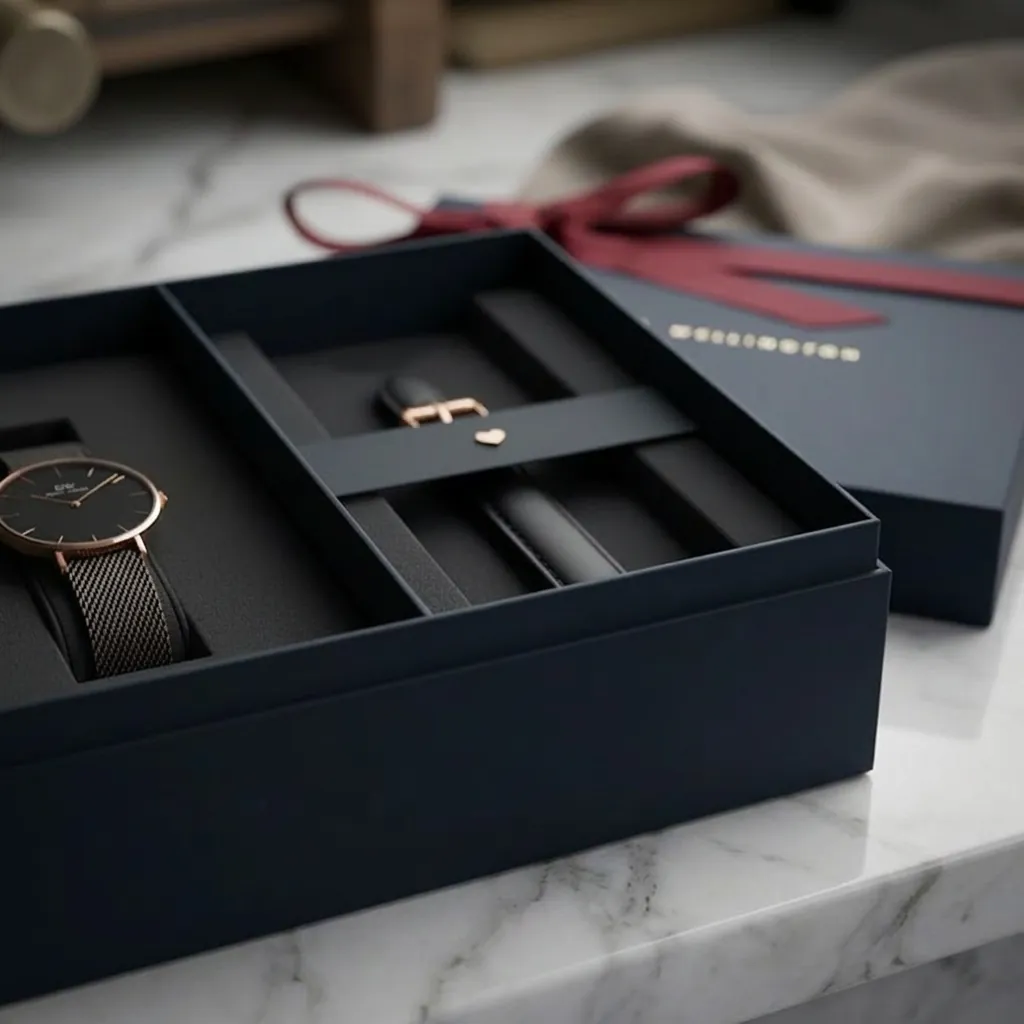
- Ribbons, stickers, and seals: for premium gift presentation
Studies show that branded packaging increases customer recognition and repeat purchases. When your box looks professional, customers assume your baked goods are equally professional.
Bakery Packaging Trends for 2026
Pastel and Soft Floral Packaging Light pink, sage green, cream, and baby blue tones are dominating bakery aesthetics, especially for weddings and spring celebrations.
Eco-Friendly and Kraft Options Sustainable packaging is no longer optional. Customers actively choose bakeries that use recyclable or biodegradable packaging.
Minimalist Design Clean lines, simple logos, and white space convey sophistication. Modern consumers prefer elegant simplicity over busy designs.
Window Boxes for Social Media Clear-top or windowed cake boxes increase impulse buying and social media appeal. Customers love photographing visible products.
Custom Branded Dessert Boxes Branded packaging reinforces your identity during busy holiday seasons. Every cake box becomes a marketing tool.
How to Choose the Right Bakery Box Supplier
When selecting a packaging partner for your bakery, consider these factors:
- Food Safety Certifications
- Minimum Order Quantities
- Customization Options
- Material Quality
- Turnaround Time
- Sustainable Practices
The Bottom Line
Your baked goods deserve packaging that matches their quality. The right bakery box protects your products, maintains freshness, communicates your brand values, and creates a memorable customer experience. With 63% of consumers eating bakery items weekly, the opportunity to stand out through packaging has never been greater.
Invest in proper bakery packaging and watch your brand recognition, customer loyalty, and sales grow alongside your delicious creations.
Ready to Upgrade Your Packaging?
Get custom quotes, free design support, and fast turnaround on all packaging orders.
Frequently Asked Questions
Food-safe cardboard (250-350gsm) is the most common choice, offering good structure while remaining lightweight. Kraft paper provides an eco-friendly appearance. For items with butter or oil content, grease-resistant coatings prevent staining. Clear PET windows allow product visibility while maintaining freshness.
Many suppliers offer MOQs as low as 100-500 units, making custom bakery packaging accessible for small bakeries and startups. Larger orders typically receive better per-unit pricing.
Quality bakery boxes use food-safe materials that create a barrier against moisture and air. Some designs include ventilation holes to prevent condensation. Grease-resistant coatings keep oily items from making the box soggy.
Yes. Custom printing with full-color CMYK or Pantone matching allows you to add your logo, brand colors, messaging, and custom designs. Many suppliers offer free design assistance.
Absolutely. Many suppliers offer kraft paper boxes, recycled cardboard options, and biodegradable materials. These sustainable options are fully recyclable and appeal to environmentally conscious consumers.
Standard production typically takes 7-10 business days after design approval. Rush production options may be available for urgent orders. For seasonal peak periods, we recommend ordering 2-3 weeks in advance.